How Ready-to-Eat Meals Support Modern Travel & Outdoor Lifestyles: A Complete Buyer’s Guide
As travel, adventure tourism, and remote working lifestyles continue to grow, people are increasingly seeking convenient food solutions that match their fast-paced routines. Whether it is trekking in the mountains, working from remote locations, or traveling between cities, access to reliable meals has become essential.
Today, consumers are no longer choosing food based only on taste. They evaluate nutrition, portability, shelf life, and safety before making a purchase.
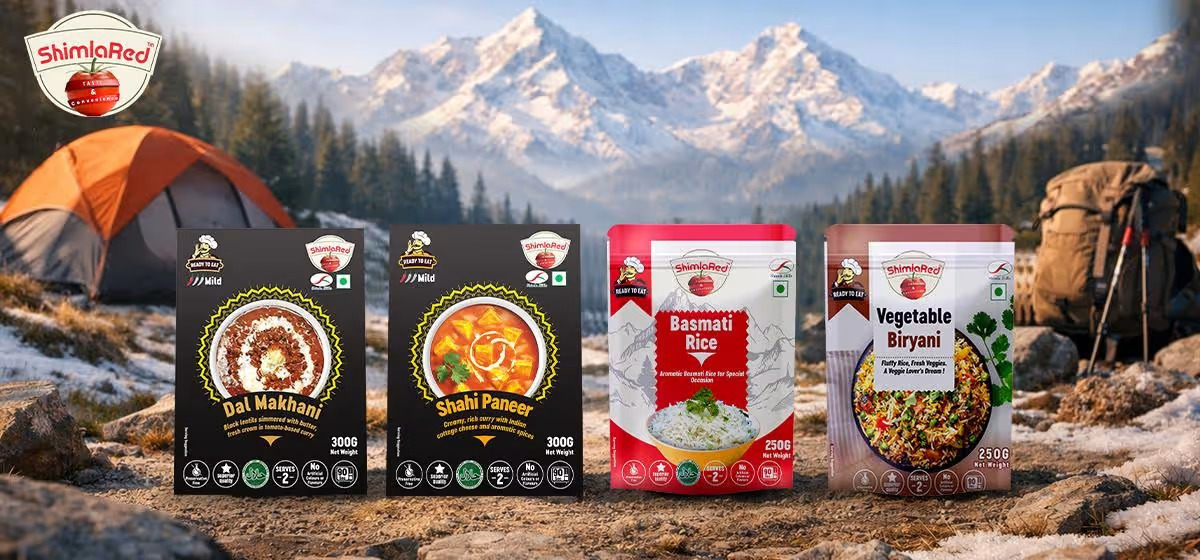
This guide explains how ready-to-eat meals support modern lifestyles and how buyers can select the right products for travel and outdoor use.
What Are Ready-to-Eat Meals?
Ready-to-eat meals are fully cooked food products that can be consumed directly or after minimal heating. They are prepared under controlled manufacturing conditions and packed using advanced preservation technology.
These meals are designed to remain safe and fresh for long periods without refrigeration. They help travelers and professionals access balanced nutrition without cooking facilities.
Unlike instant foods that require extensive preparation, ready meals are designed for immediate consumption with minimal effort.
Why Convenience Matters in Modern Food Choices
Time has become one of the most valuable resources in today’s lifestyle. Long working hours, frequent travel, and unpredictable schedules make traditional cooking difficult.
Convenient food solutions help individuals:
Save preparation time
Reduce dependency on cooking equipment
Maintain regular meal schedules
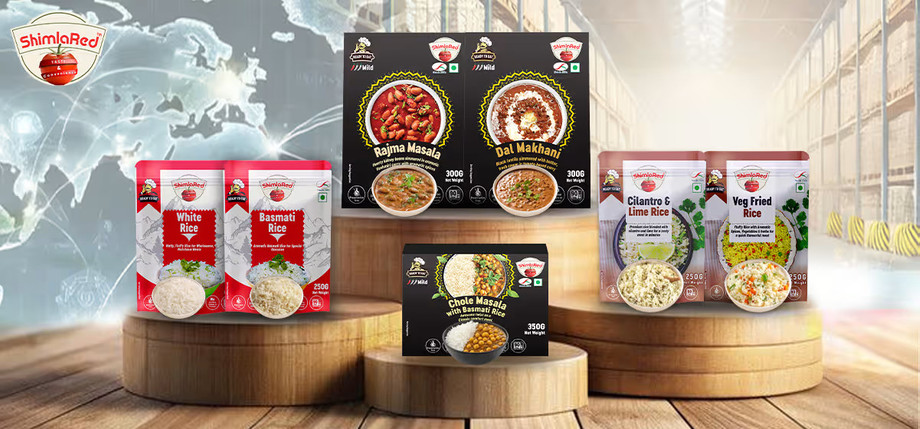
Avoid unhealthy snacking
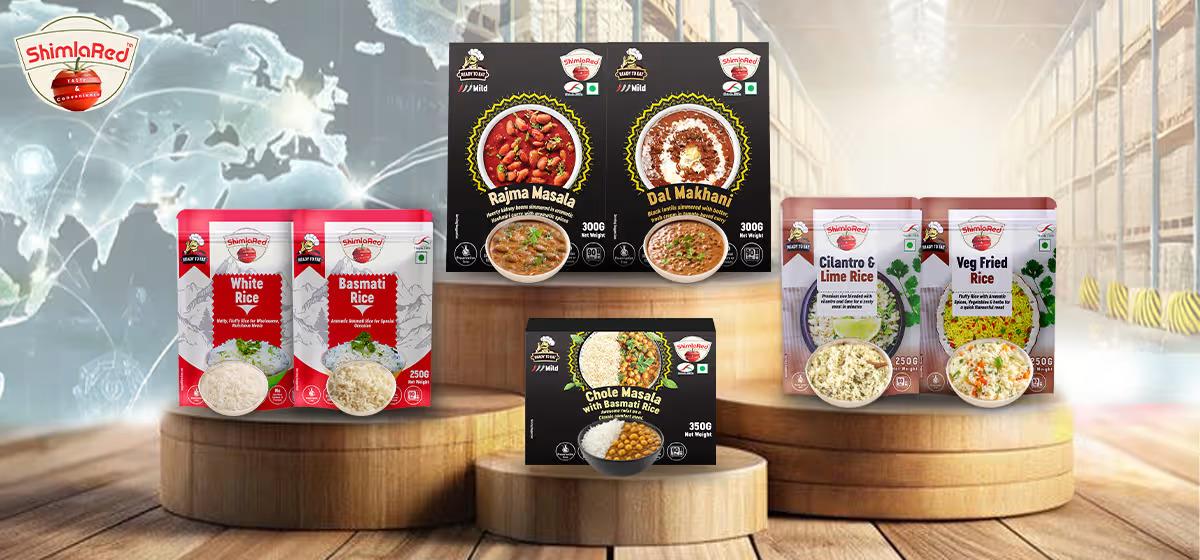
Reliable ready meals support physical energy and mental focus in demanding environments.
How Ready Meals Maintain Quality and Safety
The quality of ready-to-eat meals depends on ingredient selection, processing methods, and packaging technology. Manufacturers use controlled heating and sealing processes to eliminate harmful microorganisms.
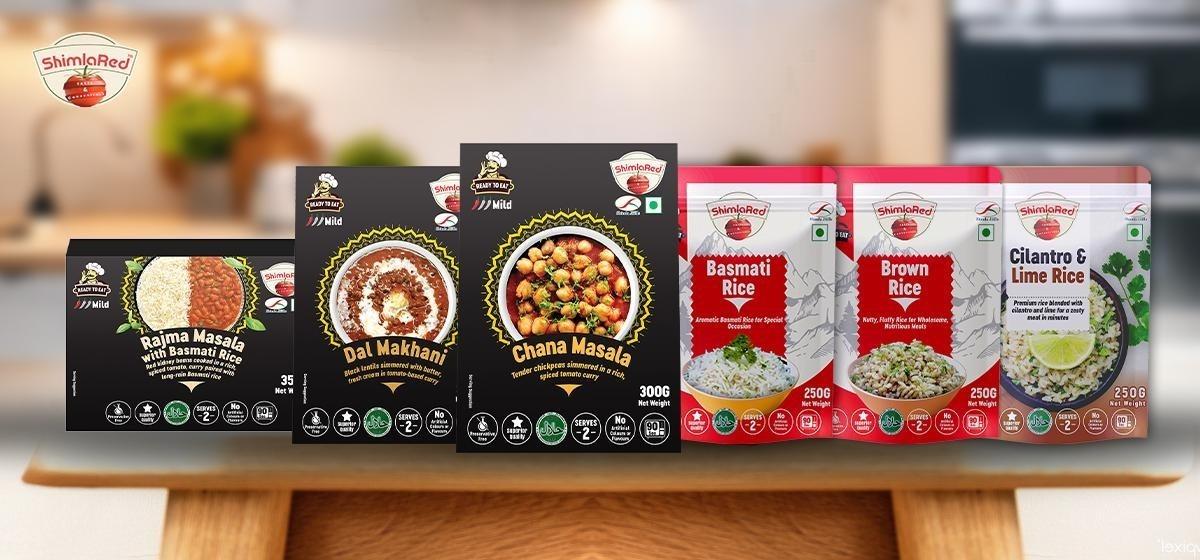
Protective packaging prevents oxygen and moisture from affecting food quality. This helps maintain taste, texture, and nutritional value during storage and transportation.
Regular testing ensures compliance with food safety standards for domestic and export markets.
Traditional Cooking vs Processed Travel Meals
Traditional cooking offers freshness but requires time, space, and equipment. In contrast, ready meals prioritize portability and efficiency.
Many modern manufacturers combine traditional recipes with scientific processing to preserve authentic taste while improving shelf life.
This balance allows travelers to enjoy familiar flavours even in remote environments.
10 Key Factors When Choosing Ready Meals for Travel
Selecting suitable ready meals requires evaluating multiple performance aspects.
1. Nutritional Balance
Meals should contain adequate protein, carbohydrates, and essential fats to support energy requirements.
2. Ingredient Transparency
Clear labeling helps consumers understand the source and quality of raw materials.
3. Shelf Stability
Long shelf life reduces dependency on refrigeration.
4. Packaging Strength
Durable pouches protect meals from damage during transportation.
5. Heating Flexibility
Products should be easy to warm using portable stoves or boiling water.
6. Portion Control
Proper serving sizes prevent under- or over-consumption.
7. Taste Consistency
Standardized recipes ensure reliable flavour across batches.
8. Safety Certifications
Third-party testing confirms compliance with food safety regulations.
9. Environmental Impact
Eco-friendly packaging supports responsible consumption.
10. Supplier Reliability
Reputed manufacturers ensure stable supply and quality assurance.
How to Evaluate Meal Performance Before Purchase
Buyers should test food products practically rather than relying only on marketing descriptions.
Practical Evaluation Methods
| Aspect | What to Check | Why It Matters |
|---|---|---|
| Packaging | Seal strength | Prevents leakage |
| Texture | After heating | Indicates quality |
| Aroma | Natural smell | Shows freshness |
| Labeling | Ingredient clarity | Builds trust |
| Storage | Shelf stability | Supports long trips |
Professional buyers often request samples before bulk orders.
Convenience vs Nutrition: Understanding the Difference
Some products focus mainly on ease of use while neglecting nutritional quality. Balanced ready meals combine both aspects.
| Feature | Convenience-Oriented Meals | Balanced Ready Meals |
|---|---|---|
| Preparation | Very fast | Moderate |
| Nutrition | Limited | Well-rounded |
| Suitability | Short-term use | Long-term travel |
| Cost | Lower | Value-driven |
Understanding this distinction helps consumers make better choices.
Sustainable Approaches in Ready Meal Manufacturing
Sustainability is becoming central to food production. Many manufacturers now focus on responsible sourcing and reduced plastic usage.
Natural ingredients, recyclable packaging, and efficient energy systems help reduce environmental impact while maintaining food quality.
Such practices benefit both consumers and ecosystems.
Common Misconceptions About Ready Meals
1. All ready meals are unhealthy
Modern processing techniques allow preservation without excessive additives.
2. Long shelf life means artificial ingredients
Advanced packaging can extend freshness naturally.
3. Ready meals lack traditional taste
Many products now replicate home-style recipes accurately.
Understanding these facts helps eliminate unnecessary bias.
Final Thoughts
By selecting products based on performance, transparency, and sustainability, consumers can enjoy dependable meals wherever their journey takes them. Visite-ShimlaRed